
Siri AI on iPhone has started rolling out as part of Apple’s latest software releases. Apple announced the beta on September 14, alongside a broader set of Apple Intelligence features. The rollout is real, but it is limited by device, language, and region.
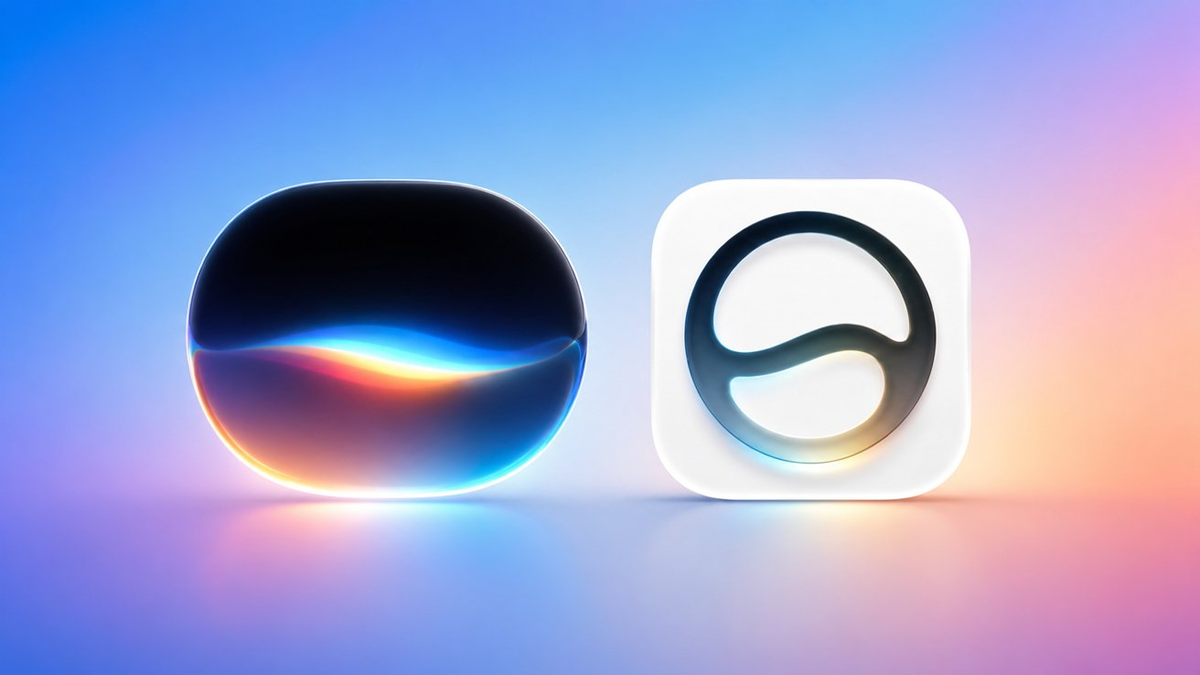
That distinction matters. A compatible iPhone can still miss the feature if its software or language settings do not meet the current requirements. Before looking for a new Siri interface, check what Apple says is available on your own device today.
What Siri AI changes
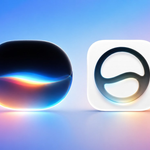
Apple describes Siri AI as a more conversational assistant with personal context, onscreen awareness, and wider app actions. In practical terms, it can help find details across messages, email, photos, and other supported services. It can also keep a conversation going when a follow-up question adds more context.
Context is the main difference
Traditional voice assistants often handle one request at a time. Siri AI is designed to connect a request with relevant information already on the device. For example, Apple says it can surface details from messages and emails, then help take a related action. The exact result will still depend on the app, the request, and the user’s settings.
Which iPhones can use Siri AI
Siri AI on iPhone requires an Apple Intelligence-capable device. Apple lists the iPhone 16 models and later, plus iPhone 15 Pro and iPhone 15 Pro Max, as compatible. Earlier iPhone 15 models do not meet that hardware requirement.
Check the device before troubleshooting
- iPhone 16 models and later qualify for Apple Intelligence.
- iPhone 15 Pro and iPhone 15 Pro Max also qualify.
- The phone must run the current supported software release.
- Language and regional availability still apply after the hardware check.
This is why updating alone may not make the feature appear. Compatibility begins with the device, then continues with software and settings.
What is available today
Apple says Siri AI is rolling out in beta in English. Support for French, Japanese, Korean, Portuguese, and Spanish is scheduled to expand next month. Apple also says that some availability differs by region, so a supported language does not guarantee every feature in every country.
Regional limits are part of the launch
Apple has said Siri AI will not be initially available on iPhone, iPad, and Apple Watch in the European Union. It is also not available in China while Apple works through regulatory requirements. Those details can change as the rollout expands, so it is better to check Apple’s current availability information than rely on a launch-day post.
How to prepare your iPhone
You do not need to change every setting at once. Start with the basics and review privacy choices as each option appears.
Use a simple setup checklist
- Install the latest supported iOS release for your iPhone.
- Confirm that your device model supports Apple Intelligence.
- Check the Siri language and device language settings.
- Read the feature prompts before allowing access to personal information.
How Siri AI fits into iOS 27
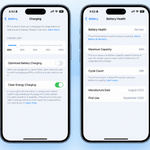
Siri AI is only one part of the new software cycle. If you are also comparing broader iOS changes, see our guide to the iOS 27 battery life update. It offers useful context for people deciding whether to update now or wait for later refinements.
Beta software deserves patience
New AI features can improve quickly after launch. They can also change as Apple adds languages, regions, and app integrations. Try the feature with ordinary tasks first. Then decide whether it fits your routine.
The practical takeaway
Siri AI on iPhone is available now for a defined group of devices and users. It is not a universal switch for every iPhone owner. Check your model, software, language, and region before you expect the new assistant to appear.
Start with a realistic expectation
The best way to judge Siri AI is through everyday questions and tasks. Its beta status means some experiences will evolve. For now, the important step is confirming that your iPhone meets Apple’s current requirements.
Expand Your Knowledge:
 Apple and OpenAI in Talks to Combine Forces for iPhone: A New Era of AI?
 Enhanced Siri and Spotlight Features in iOS 17
 Apple iPhone 17e Arrives With A19 Power, MagSafe, and a Smarter Price
 How to Access Siri on iPhone
 Apple Smart Glasses May Bring Siri, Cameras, and iPhone Power to Your Face
New iOS 7 Features – Discussing Improved Siri and More
Apple Smart Glasses May Bring Siri, Cameras, and iPhone Power to Your Face
New iOS 7 Features – Discussing Improved Siri and More
 Apple’s AI Ambitions: “Apple GPT” Emerges as a Potential Game-Changer
 Apple and OpenAI: Potential Collab for Enhanced Siri in iOS 18
 Apple MacBook Pro M5 Refresh Arrives With macOS 26.3 Buzz
 iOS 26.1 Update: Apple Adds Clearer Design, Smarter Controls, and More AI Languages