


Reports of iOS 27 battery drain are still surfacing from iPhone owners after the latest update. A short drop in battery life can be normal after a major release. However, persistent heat, rapid overnight loss, or a battery percentage that falls much faster than usual deserves a closer look.
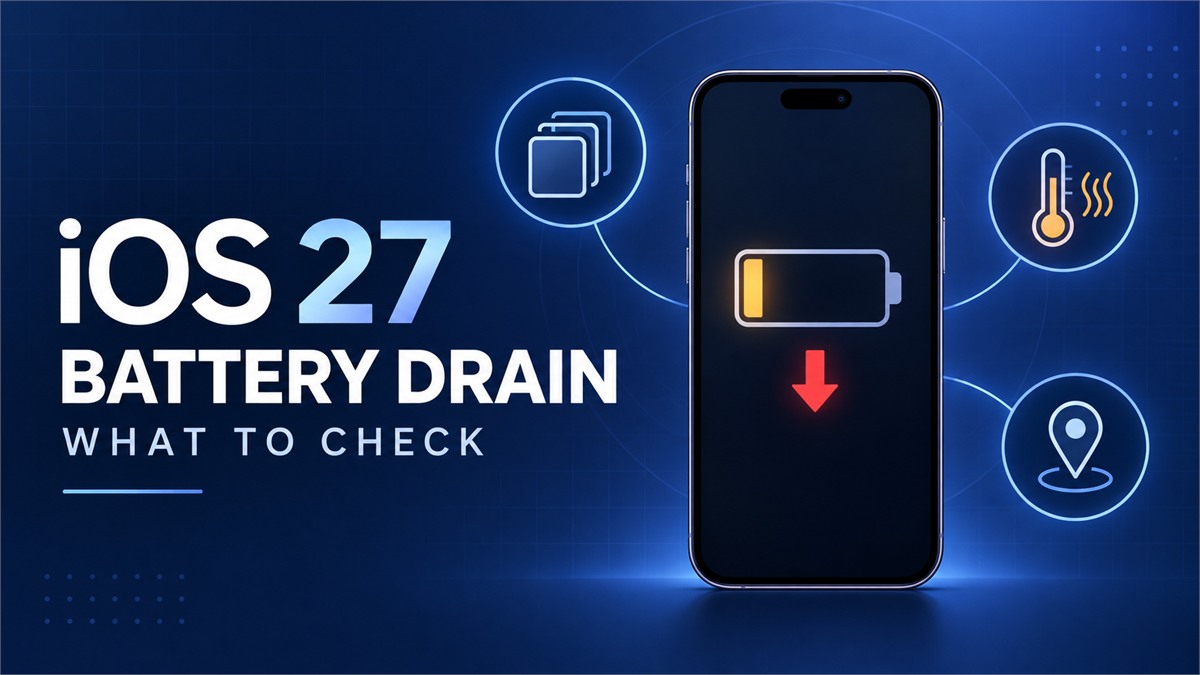
Many phones spend time indexing photos, rebuilding search data, updating apps, and completing background tasks after iOS 27 arrives. Those jobs can raise power use for a day or two. This guide helps you separate that settling-in period from a problem that needs action.
Give iOS 27 time to finish its background work
Start with the simplest check. Keep your iPhone on Wi-Fi and charge it overnight. Leave it connected for two nights if you installed iOS 27 recently or restored a large photo library. The system has a better chance to finish its background work while the screen is off.
Watch for heat and unusual idle loss
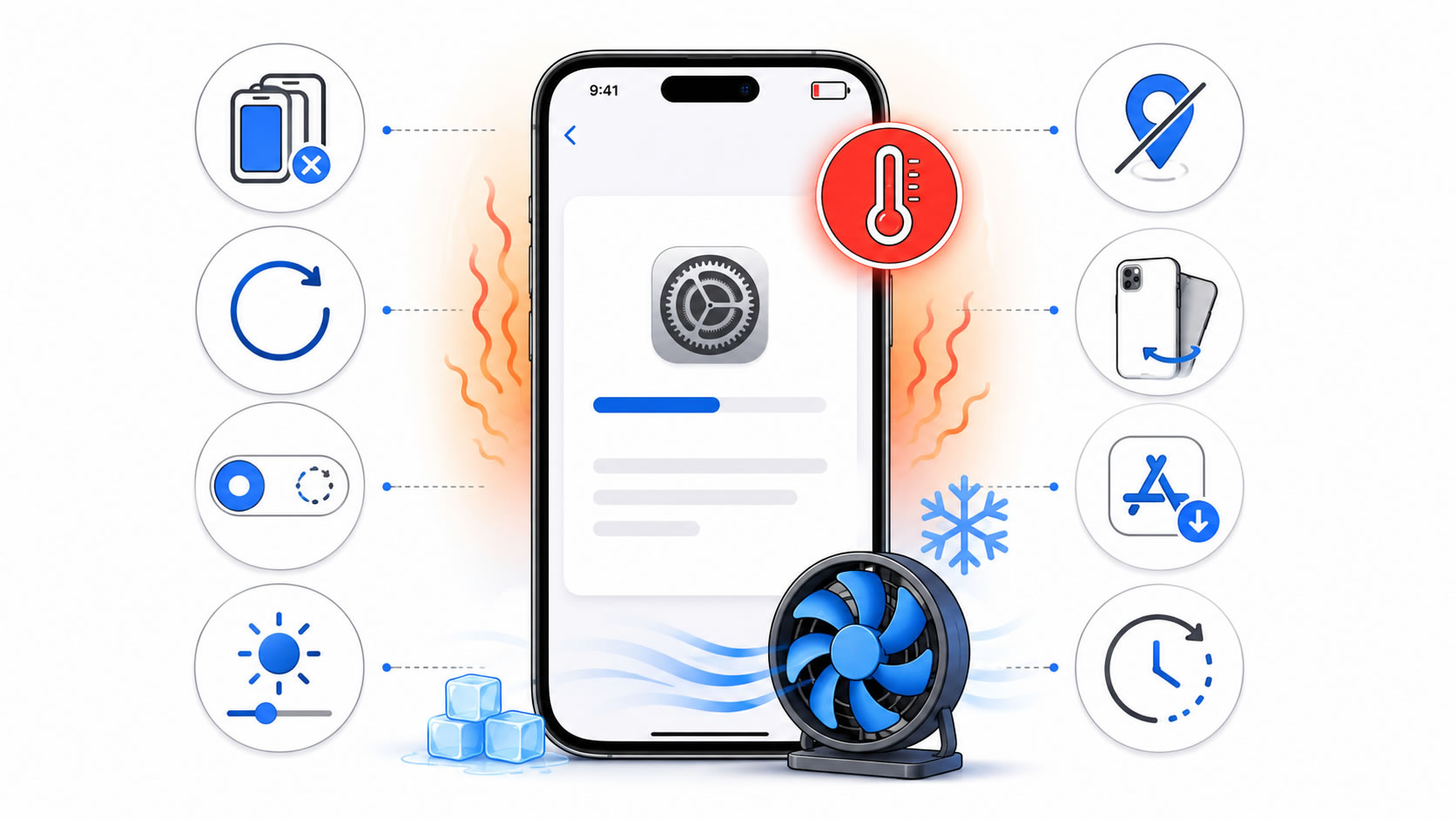
A warm phone during setup, app updates, or photo analysis is not unusual. It should cool down once those jobs finish. If the phone stays hot while idle, or if it loses a large share of its charge overnight, move on to the checks below.
Find the app behind the battery drain
Open Settings > Battery and look at activity over the last 24 hours and the last 10 days. Pay attention to an app that uses a large amount of power when it is not on screen. The useful clue is not simply a high percentage. It is high background activity that does not match how you used the app.
Update, restart, then test again
First, update the app from the App Store. Developers often release compatibility fixes soon after a new iOS version. Next, restart the iPhone once. This clears a stuck task without changing your personal settings.
After the restart, use the phone normally for a few hours. Then check the Battery screen again. If the same app still dominates background activity, remove it temporarily or limit its background access. This is especially useful for social, navigation, shopping, and fitness apps.
Adjust the settings that affect daily power use
These changes can help while you investigate an iOS 27 battery drain. They should not be permanent rules for every owner. Choose the ones that fit how you use your phone:
- Turn off Background App Refresh for apps you rarely open.
- Review Location Services and select “While Using” where it makes sense.
- Reduce unnecessary lock-screen widgets and live activities.
- Use Auto-Brightness and check that the display is not staying at full brightness.
- Turn off a weak mobile signal when Wi-Fi is available.
For more context on what the update changes, see our guide to iOS 27 battery life and performance.
When to reset settings or contact Apple
Do not rush into a full erase. If the battery has not improved after several days, try Settings > General > Transfer or Reset iPhone > Reset > Reset All Settings. This keeps your photos, apps, and documents. It does reset items such as Wi-Fi networks, notifications, and some preferences.
Check battery health too
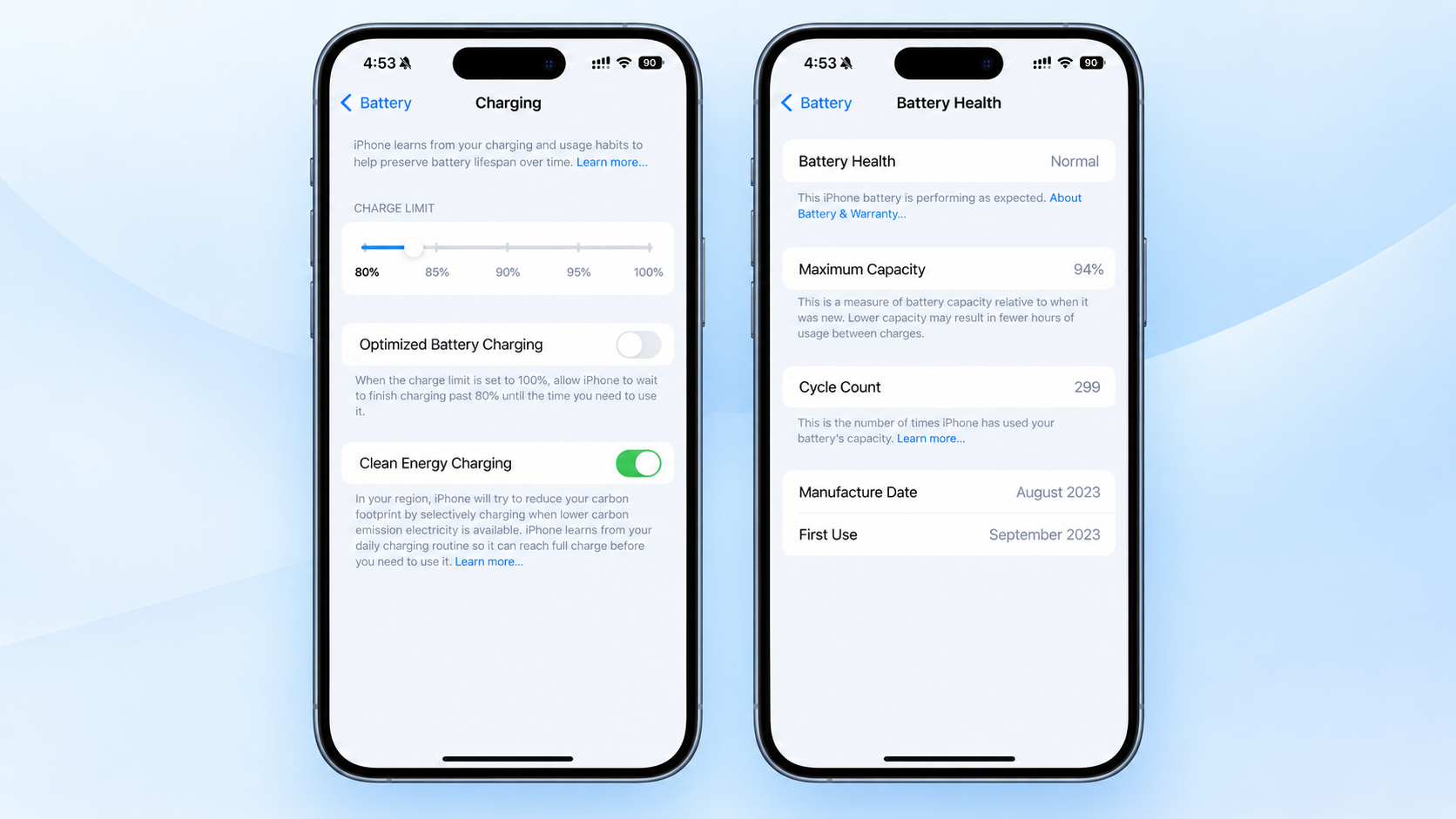
Open Settings > Battery > Battery Health & Charging. A low maximum capacity can make any software update feel harder on the battery. If the phone shows a service message, arrange an Apple or trusted repair assessment instead of assuming iOS 27 caused the entire issue.
The sensible next step
iOS 27 battery drain often settles as indexing and app updates finish. If it does not, Battery settings can point to the app or service responsible. Give the update a little time, make one change at a time, and test again. That approach gives you better answers than changing every setting at once.
Expand Your Knowledge:
 How to Fix That iPhone Battery Drain After the iOS 26 Update
 iOS 27 Battery Life Upgrade: Apple’s Quiet Cleanup Could Make iPhone Feel Faster
 How to Fix iPhone Battery Drain
 How to stop iOS from sending more iCloud promotion messages on your iPhone or iPad
 How to Keep your iPhone Battery Healthy
 How to Improve iPhone Battery Life
 How to Display Battery Percentage on iPhone XS Max
 How to Preserve iPhone Battery Health: Essential Tips You Must Know
 Apple Unveils iOS 17.1.1 Update: What’s New?
 How to Fix iPhone Overheating After an iOS Update