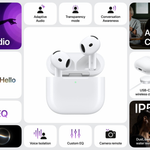


AirPods 5 went on sale on September 18, bringing a more affordable noise-cancelling option to Apple’s open-ear range. Apple confirmed their arrival in its retail launch report, alongside the latest iPhone and Apple Watch models. The question now is what separates the two AirPods 5 versions on the shelf.
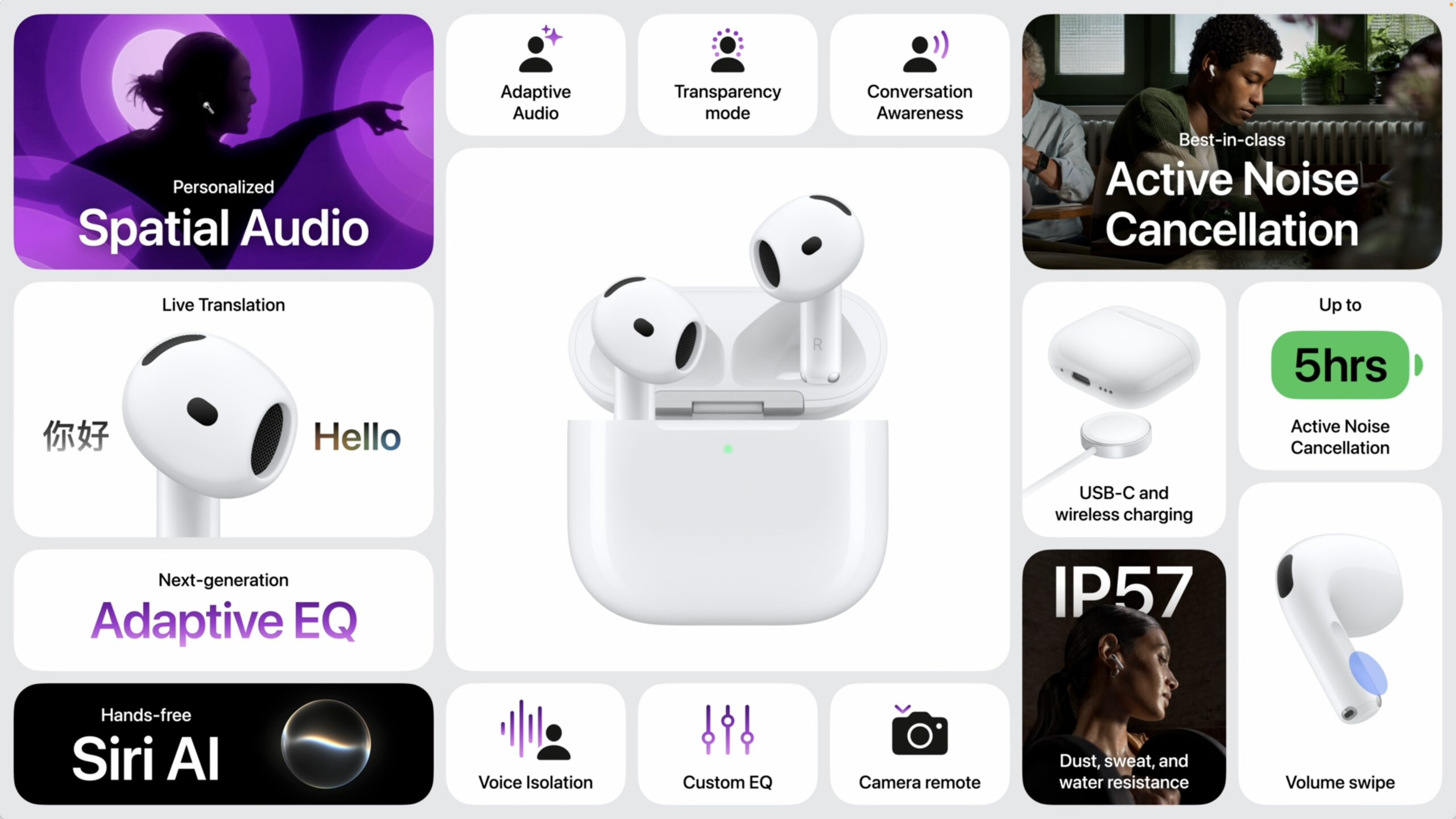
The U.S. prices are $129 for the standard model and $149 for AirPods 5 with Wireless Charging Case. That $20 gap deserves a closer look, because the differences extend beyond how you charge the case.
Noise cancellation is included in both models
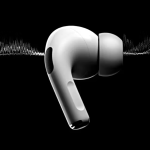
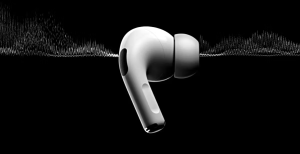
In its product announcement, Apple put Active Noise Cancellation in both versions. It claims up to 50 percent more external noise reduction than AirPods 4 with ANC. That is Apple’s measured comparison, not a result from our own listening tests.
Both models also offer Adaptive Audio, which blends noise cancellation with Transparency, and Conversation Awareness, which lowers media volume when you start talking. Those are useful distinctions from simply having a button that turns noise cancellation on or off.
What the extra $20 changes
Apple’s technical specifications give the standard model up to four hours of listening with ANC enabled, or up to 20 hours including the case. The wireless-case version is rated for up to five and 22 hours respectively. Compare those ANC-on figures with each other; switching noise control off produces a different set of battery numbers.
The higher-priced version also adds volume adjustment by swiping the stem. Its case supports an Apple Watch charger or a Qi-certified charger as well as USB-C, and includes a speaker for Find My. The standard case charges over USB-C.
For someone who changes volume frequently while walking, the stem control may matter more than wireless charging. If you usually adjust playback on your phone and already have a cable by the door, your priorities may be different. The useful comparison is the routine you repeat every day, rather than the longest feature list.
The iPhone still determines some features
Siri AI is part of the pitch, but buying new earbuds does not make an unsupported iPhone compatible. Apple’s September 14 Siri update began an English-language beta rollout on supported devices. French, Japanese, Korean, Portuguese and Spanish are scheduled for October, rather than being part of that initial release.
Regional restrictions also apply: Apple says Siri AI is initially unavailable in the EU on iOS, iPadOS and watchOS. Check the specific feature you want against your phone and region, especially if hands-free AI access is the main reason for replacing an otherwise working pair.
A new option, not an automatic upgrade
The most interesting change is that noise cancellation is now included at the entry price. The more expensive model earns its place through controls, charging flexibility and battery headroom. There is no need to decide on the strength of the launch alone: try the fit if possible, compare the features you would actually use and check local pricing. U.S. list prices are a reference point, not a promise about the price in every market.